Day 148: Intensity Problems & Equilibrium

Physics: Intensity Problems

Today is the last day I’ll be missing a significant number of students for AP testing. The students who were in class worked on some problems using the intensity relationship they found earlier this week. One class had a question I need to do some digging on. They were wondering if, when photons are released, they are already travelling at the speed of light, or if they have to accelerate from rest.

Chemistry: Equilibrium

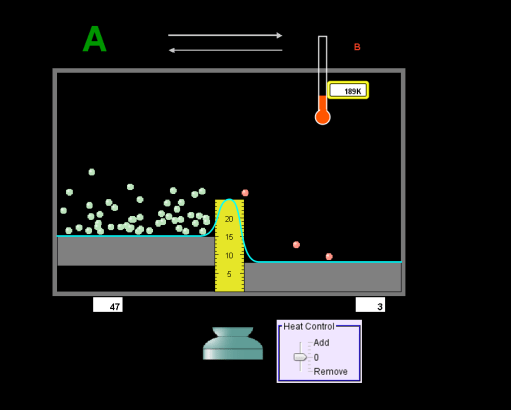
Students spend a little time with the textbook working on vocabulary for equilibrium and reversible reactions. We also spent some time playing with the PhET sim on reversible reactions and they had a lot of great observations and ideas to try.
reversible phet

Day 147: Joly Photometer & Energy in Reactions

Physics: Joly Photometer

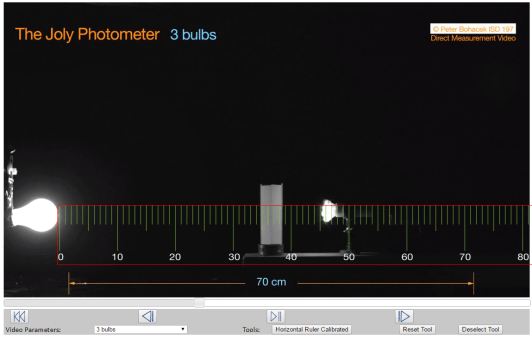
With over half of my students gone for another AP test today, I ended up giving them the hour to finish yesterday’s assignment with the Joly Photometer Direct Measurement Video. I’ll have a lot of students gone tomorrow for AP calc, so I need to figure out how I want to handle discussing the results of this and Monday’s lab.

Chemistry: Energy in Reactions

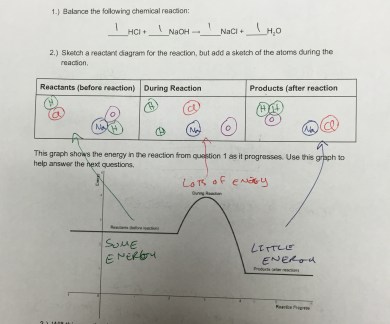
We talked about of yesterday’s lab, then took a look at energy changes in chemical reactions to start thinking about why some of the things we tried change the reaction rate.

IMG_1854

Day 146: Joly Photometer & Reaction Rates

Physics: Joly Photometer

Students used the Joly Photometer Direct Measurement Video to find a relationship between light intensity and distance from a source. I could tell a lot of my students had an AP test yesterday; I spent a lot more time than usual discussing with lab groups what variables they should graph, how they should collect data on those variables, and how to interpret and linearize the graph. I think their struggles had more to do with how mentally fried the AP chem students were than anything else.

joly photometer.PNG

Chemistry: Reaction Rates

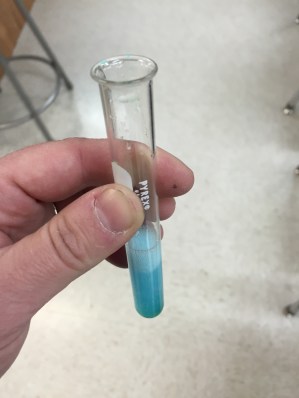
Students timed a reaction between copper chloride and hydrogen peroxide under different conditions to determine what impacts the reaction rate.

IMG_1845

Day 145: Light Intensity & Exothermic vs. Endothermic

Physics: Light Intensity

About half of my students were gone for an AP exam today. The students who were here used a flashlight to find a relationship between the area light covers and the distance to a light source.IMG_1844

Chemistry: Exothermic vs. Endothermic Reactions

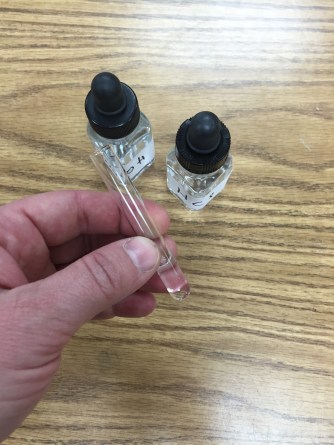
I introduced students to exothermic and endothermic reactions and we used a PhET simulation to look at the role of energy. Then, students did a short lab where they made observations of these two reactions.

IMG_1840

Day 144: Ray Diagrams & Activity Series

Physics: Ray Diagrams

Students worked through some pinhole ray diagrams.

Chemistry: Activity Series

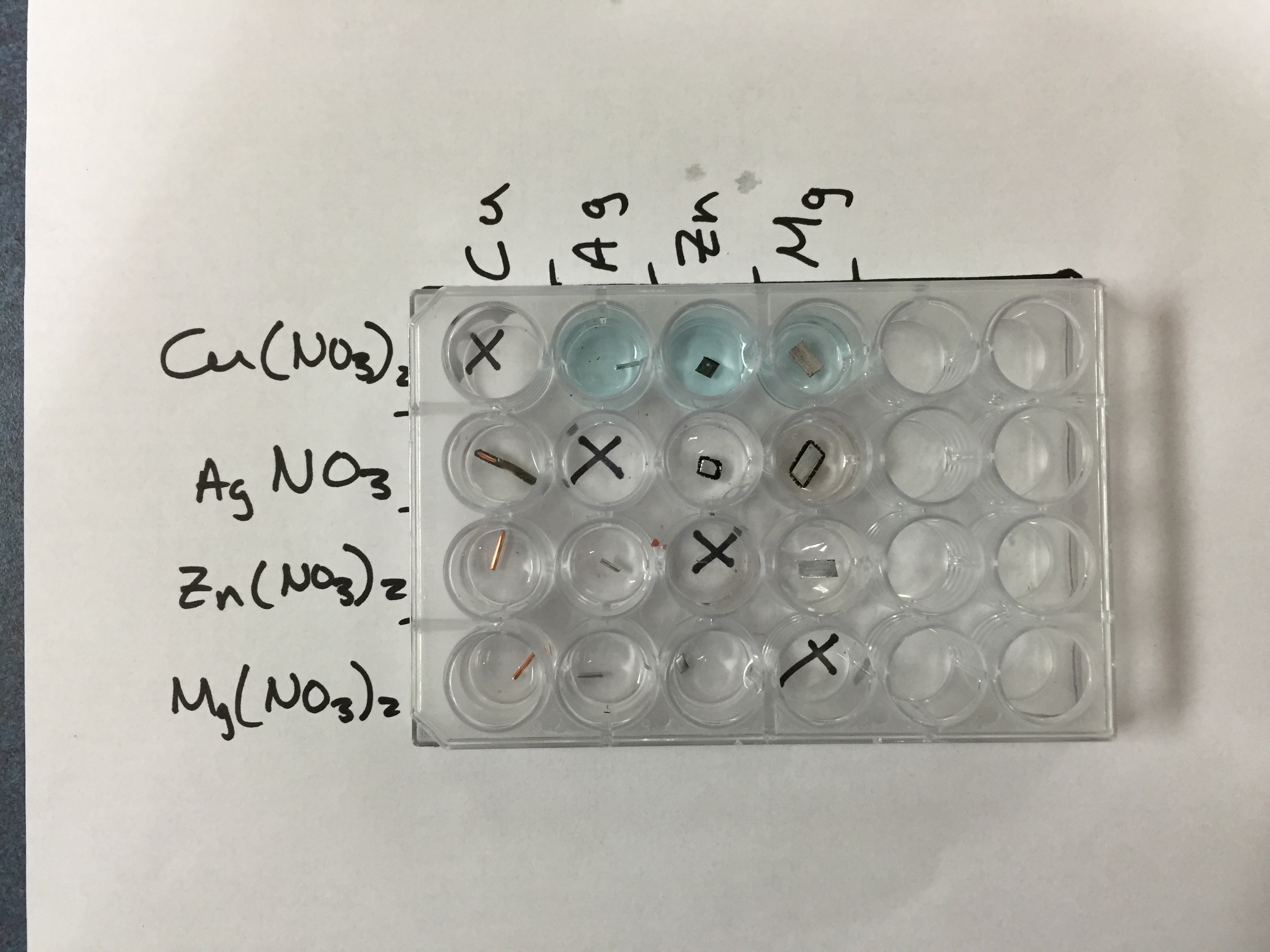
Students did a simple lab to produce an activity series for single replacement reactions. As we discussed the results, I realized students were not making the connection to what was replacing what. Next time, I think I’ll have students write out reaction equations  for at least some of these and plan some questions to solidify the connections to single replacement reactions.

Day 143: Pinhole Cameras & Reaction Types

Physics: Pinhole Cameras

Students built simple pinhole cameras, then experimented with how to change the image that appeared and drew some ray diagrams to explain their observations. A lot of students were really thinking deeply about what the ray diagrams mean and how to interpret them to understand the image produced, which was great to see.

Chemistry: Reaction Types

Students did a lab where they observed each of the five reaction types in action. Several groups were really thinking through how their observations connected back to the reaction equation, which lead to some great conversations.

IMG_1829

Day 142: Whiteboarding

Physics: Ray Diagram Whiteboarding

Students whiteboarded their solutions to the shadow and color worksheets from earlier this week. Students had a good grasp of the ray diagrams and there was some good discussion about the color stuff. We used some overhead projectors with stained glass panes to test a few of the color questions.


Chemistry: Reaction Types Whiteboarding

Students whiteboarded their solutions to the problems on yesterday’s lab. Compared to last tri, students had a much better grasp of the different types, especially single replacement and double replacement. I think the Legos helped reinforced the physical meaning of the reaction equations.

Day 141: Ray Diagrams & Lego Reaction Types

Today was the second day in a row I was gone for a field trip.

Physics: Ray Diagrams

Students practiced drawing and interpreting ray diagrams using a worksheet from the Modeling Instruction physics curriculum. Based on what I saw of their work from yesterday, I’ll need to do some work with them tomorrow on details like including arrow heads.

Chemistry: Lego Reaction Types

Students used Legos to represent different ions and worked through examples of each reaction type. I’m hoping that manipulating the Legos helped make what’s going on in some of those reactions more concrete. I’ll find out for sure tomorrow.

Day 140: Shadows & Reaction Types

Today and tomorrow, I’m chaperoning field trips so my students are left with subs.

Physics: Shadows

Students played with how to change the shadow produced by an object and light source, then drew ray diagrams to explain their observations.

Chemistry: Reaction Types Reading

Students spent some time with the textbook to start building vocabulary for the different classifications of chemical reactions.

Day 139: Color & Lab Discussion

Physics: Color

Students put colored beads under different colored light bulbs and tried to pick out the red, green, and blue beads. In addition to coming up with a measure for how easy it was to sort the beads, they kept track of which beads they tended to mistake for which color.

IMG_1815

Chemistry: Lab Discussion

We spent some time discussing yesterday’s percent yield lab. Previously, we’ve only done problems where the mole ratio is a whole number, so I was a little worried doing a lab with a fractional ratio, but that worry was misplaced. I need to stay out of the trap of underestimating my students. There was also some good discussion about why the percent yield was not 100%.